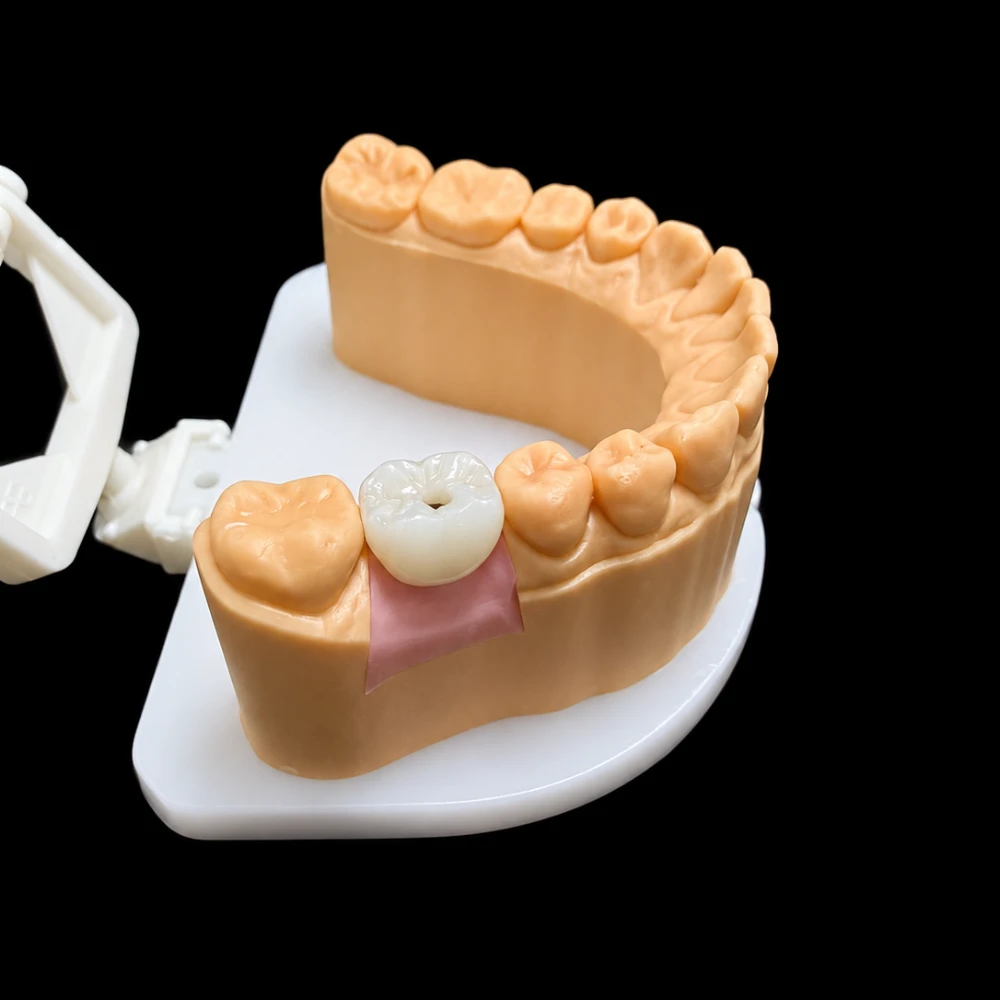
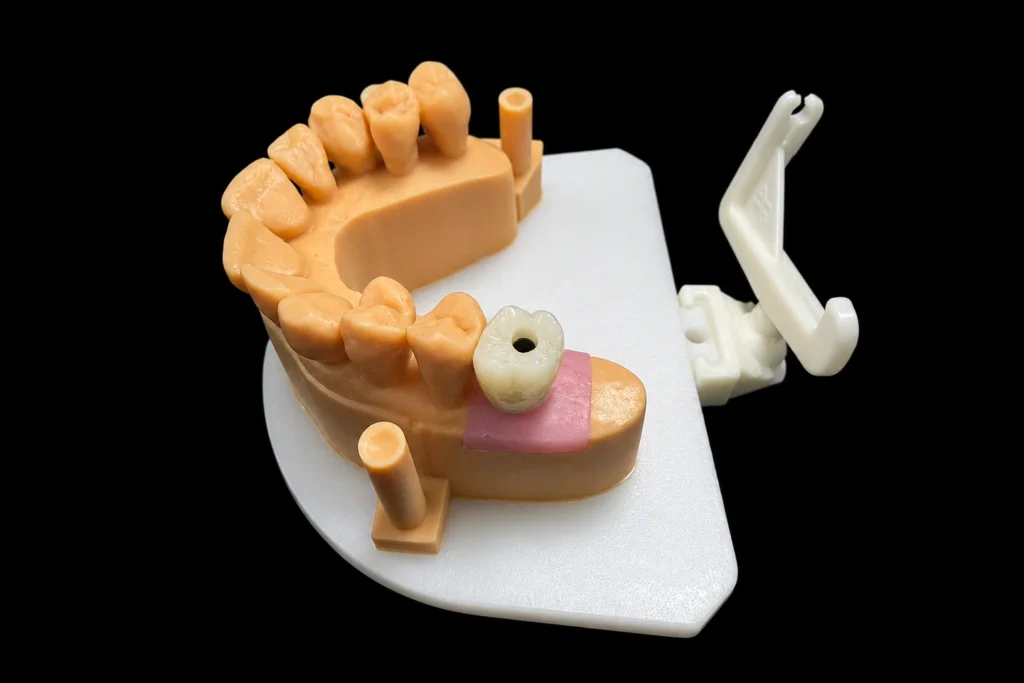
Materials we commonly use
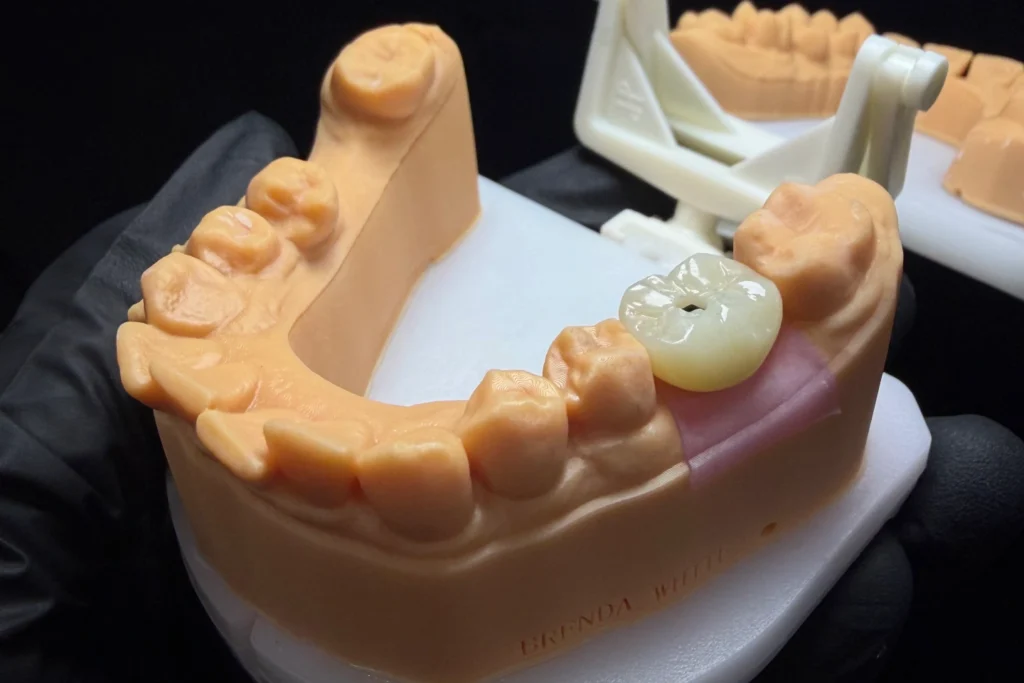
Monolithic zirconia; Ti-base + zirconia; PFM for selected cases
In-lab days3–5
When to send it to us
Posterior function, retrievability priority, standard occlusion
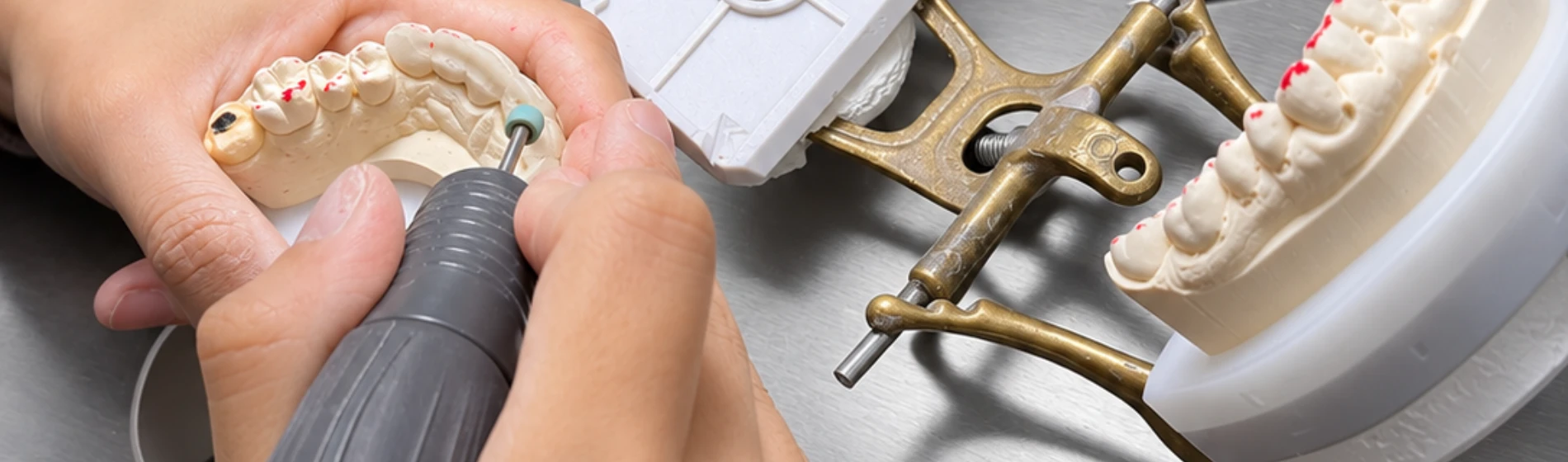
If you've switched labs because the turnaround slipped, or because the last full-arch didn't seat passively on try-in, keep reading. Istar is an implant dental laboratory built around one idea: the person designing your case, the one milling it, and the one checking it before it ships all work in the same building — ours.
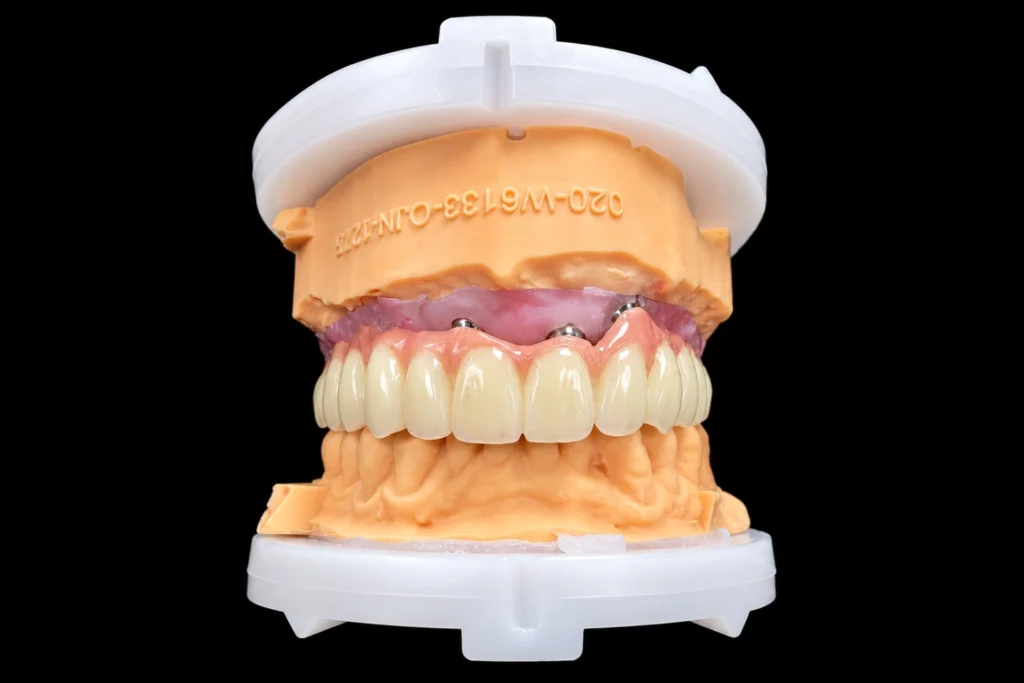
Here's what you can send us. The right column tells you when it's the right call — not just what's possible.
Materials we commonly use
Monolithic zirconia; Ti-base + zirconia; PFM for selected cases
When to send it to us
Posterior function, retrievability priority, standard occlusion
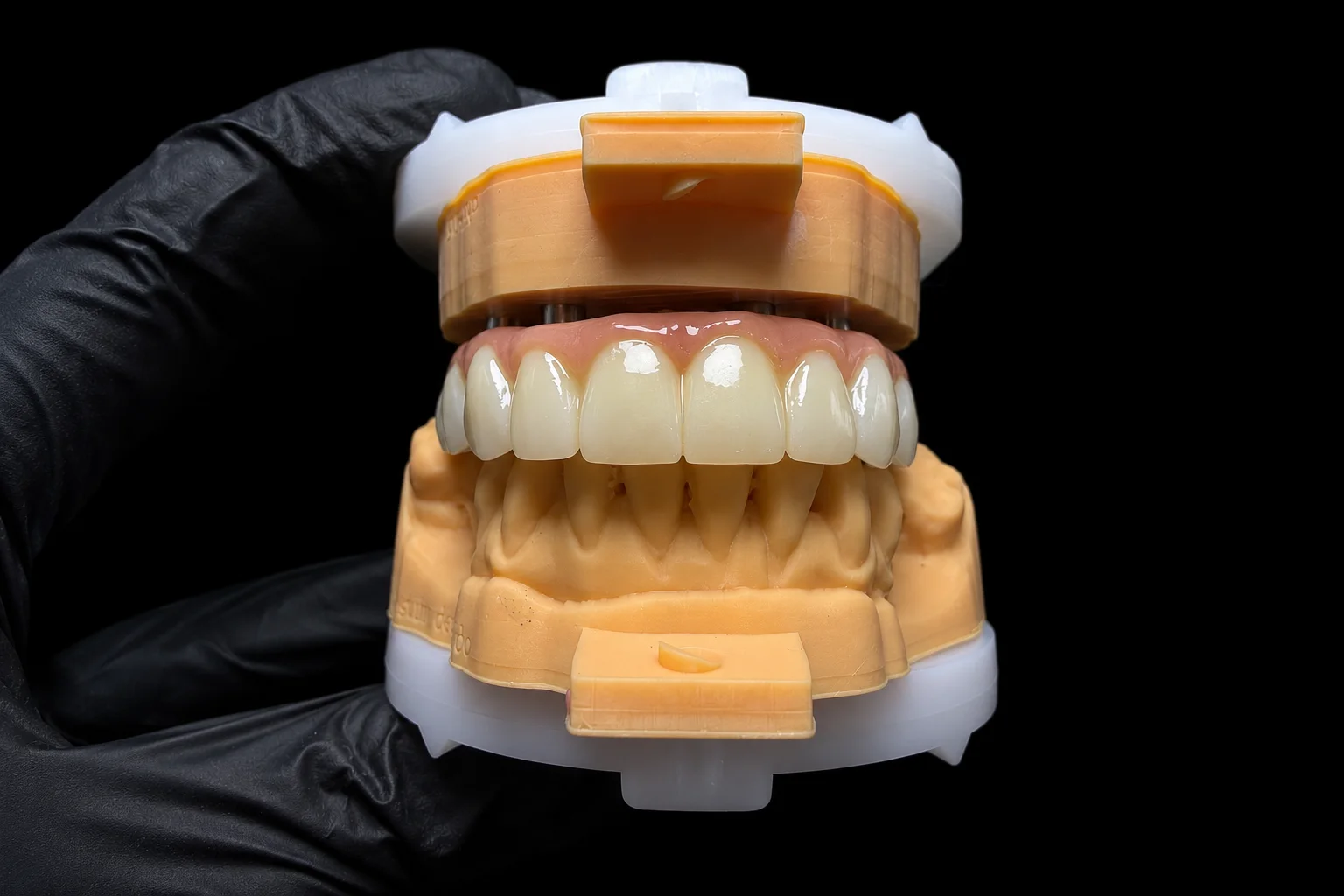
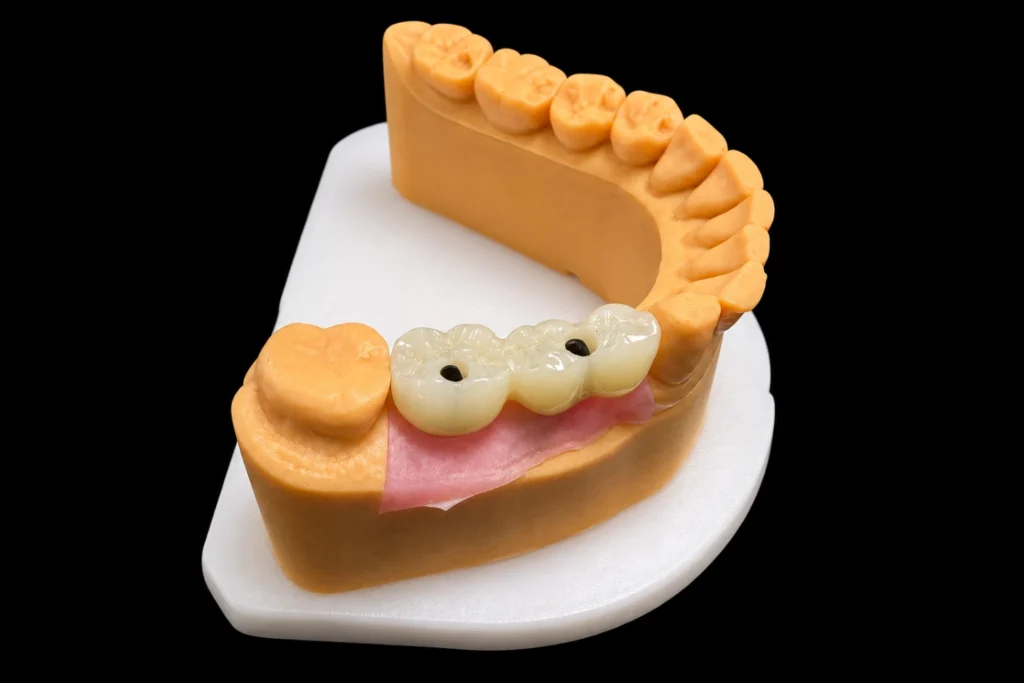
Materials we commonly use
Zirconia framework + layered porcelain; monolithic zirconia
When to send it to us
3–6 adjacent units on 2+ implants, short to medium span
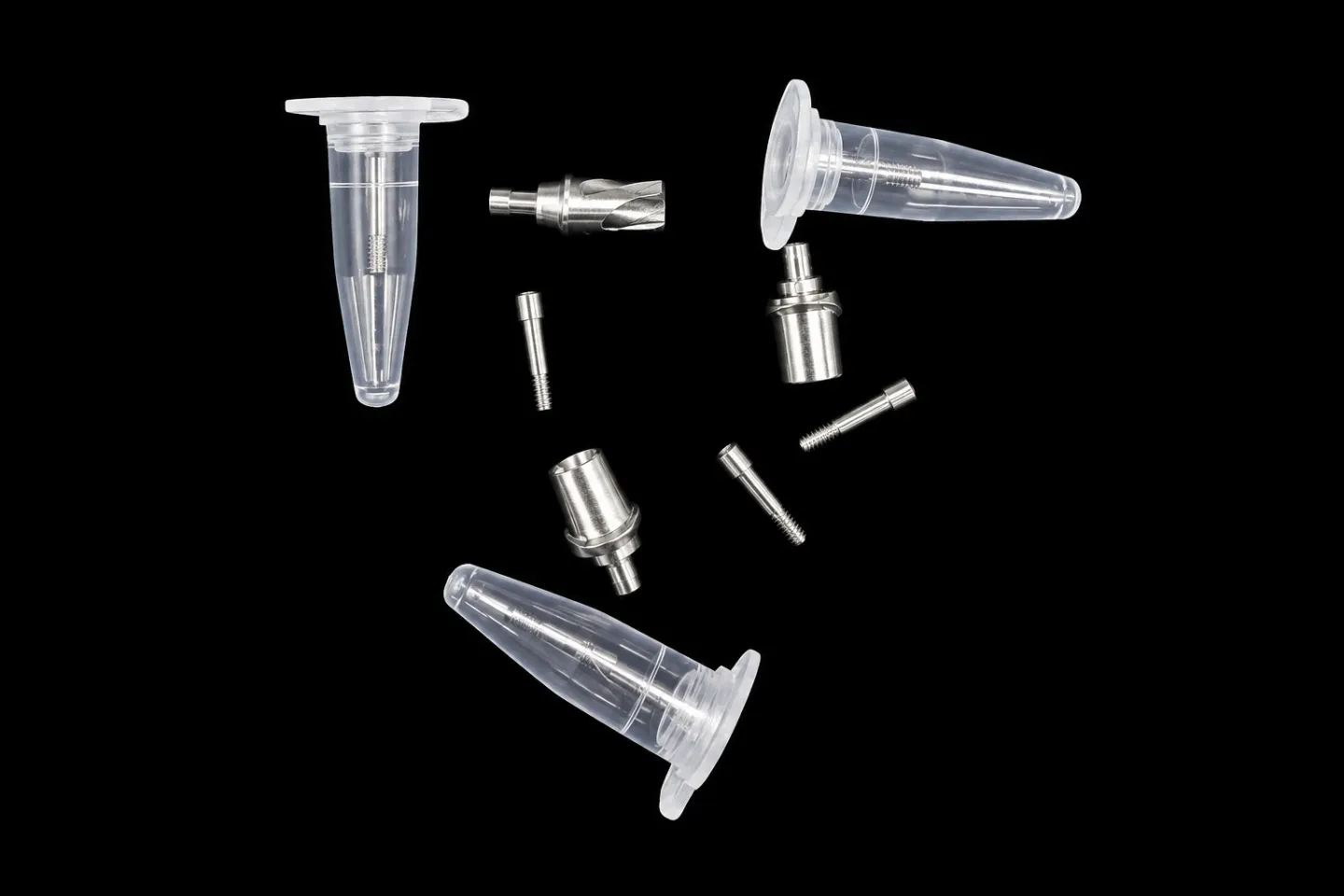
Materials we commonly use
Titanium, zirconia, Ti-base hybrid
When to send it to us
Angled implants, emergence profile control, anterior esthetic zone
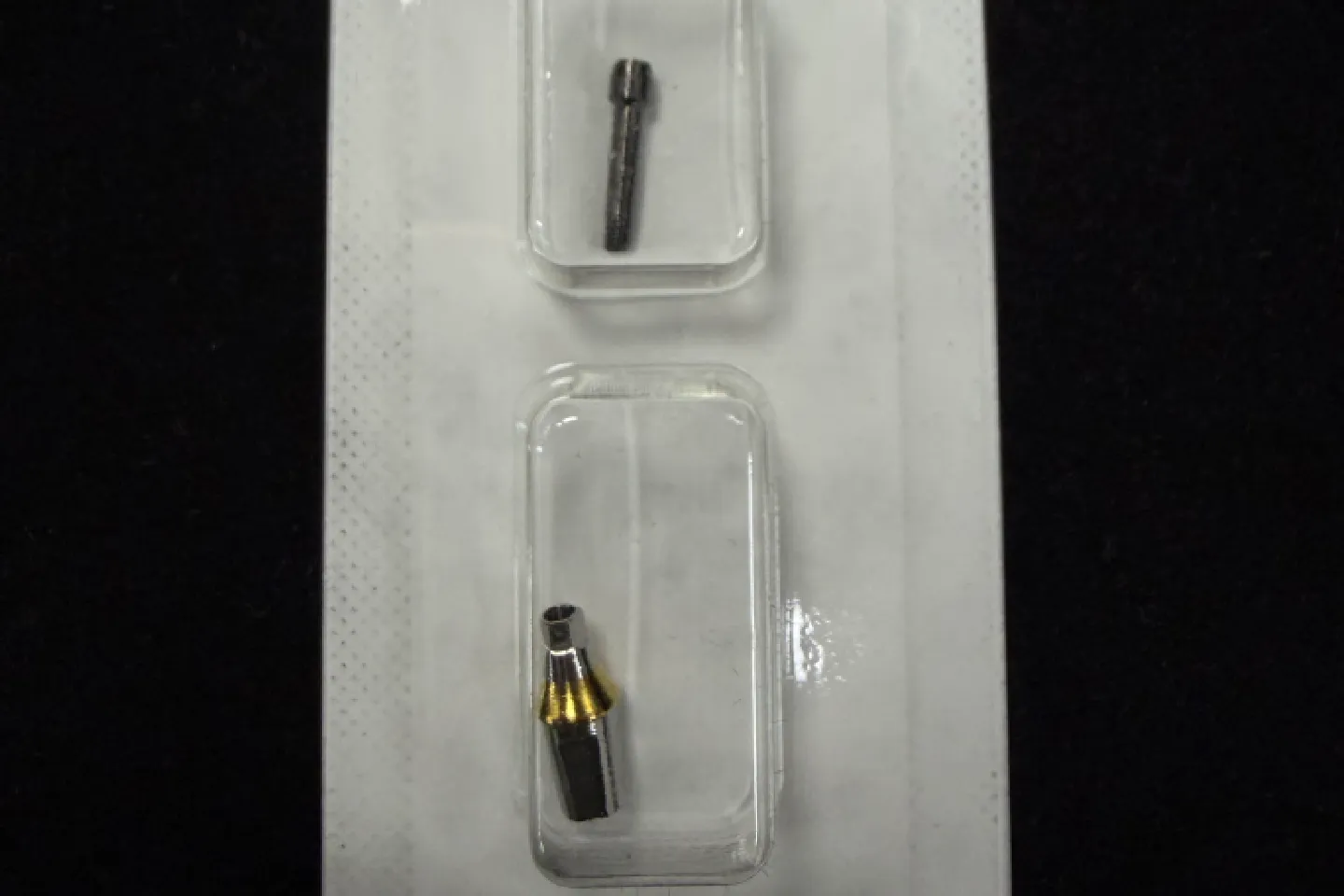
Materials we commonly use
Titanium stock components (OEM or compatible)
When to send it to us
Straight implant, favorable position, posterior
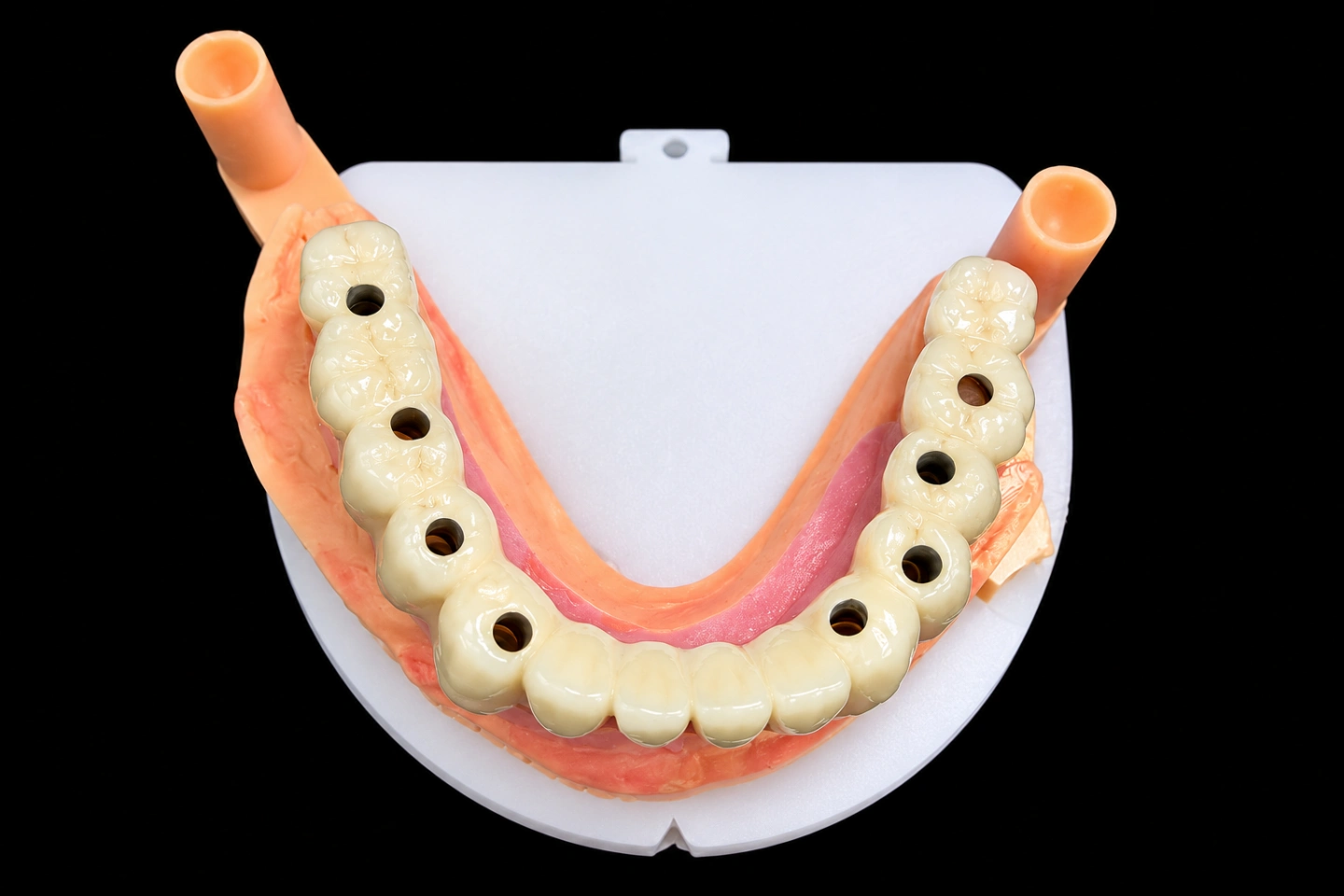
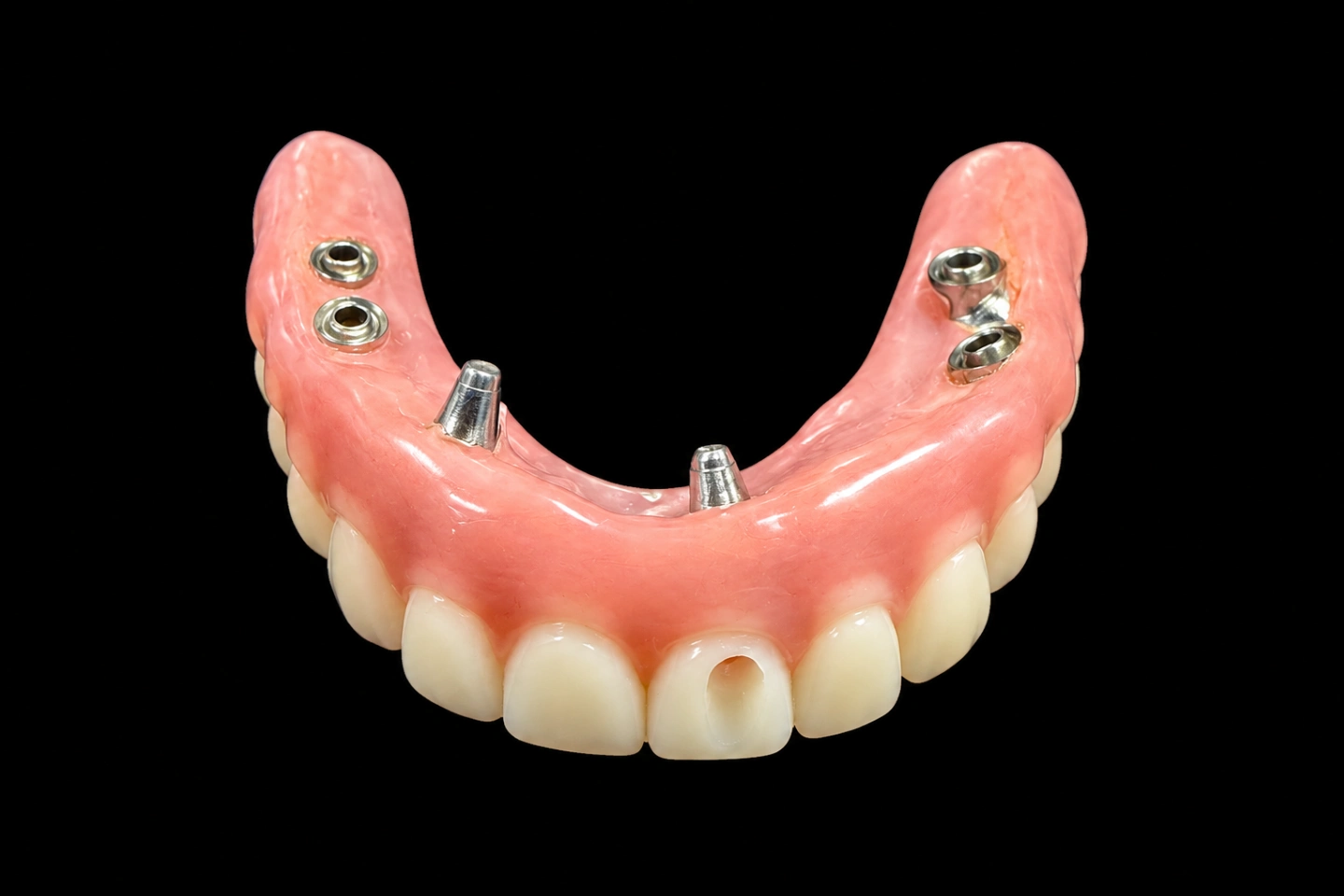
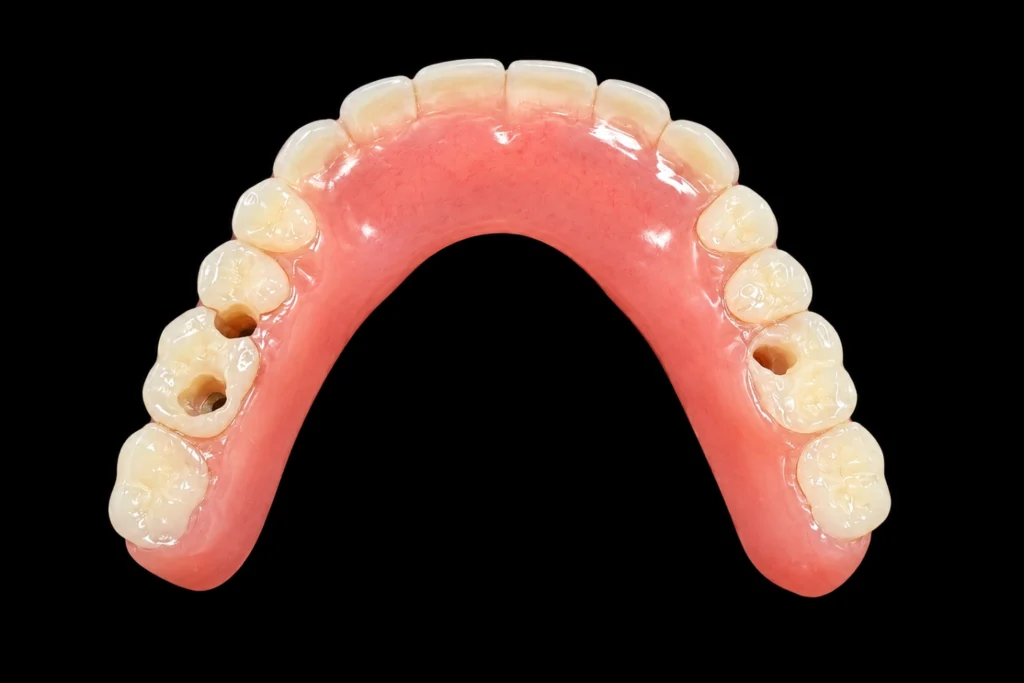
Materials we commonly use
Monolithic zirconia; zirconia + pink composite; titanium bar + acrylic; PFM
When to send it to us
Edentulous arch on 4–6 implants, staged or immediate protocol
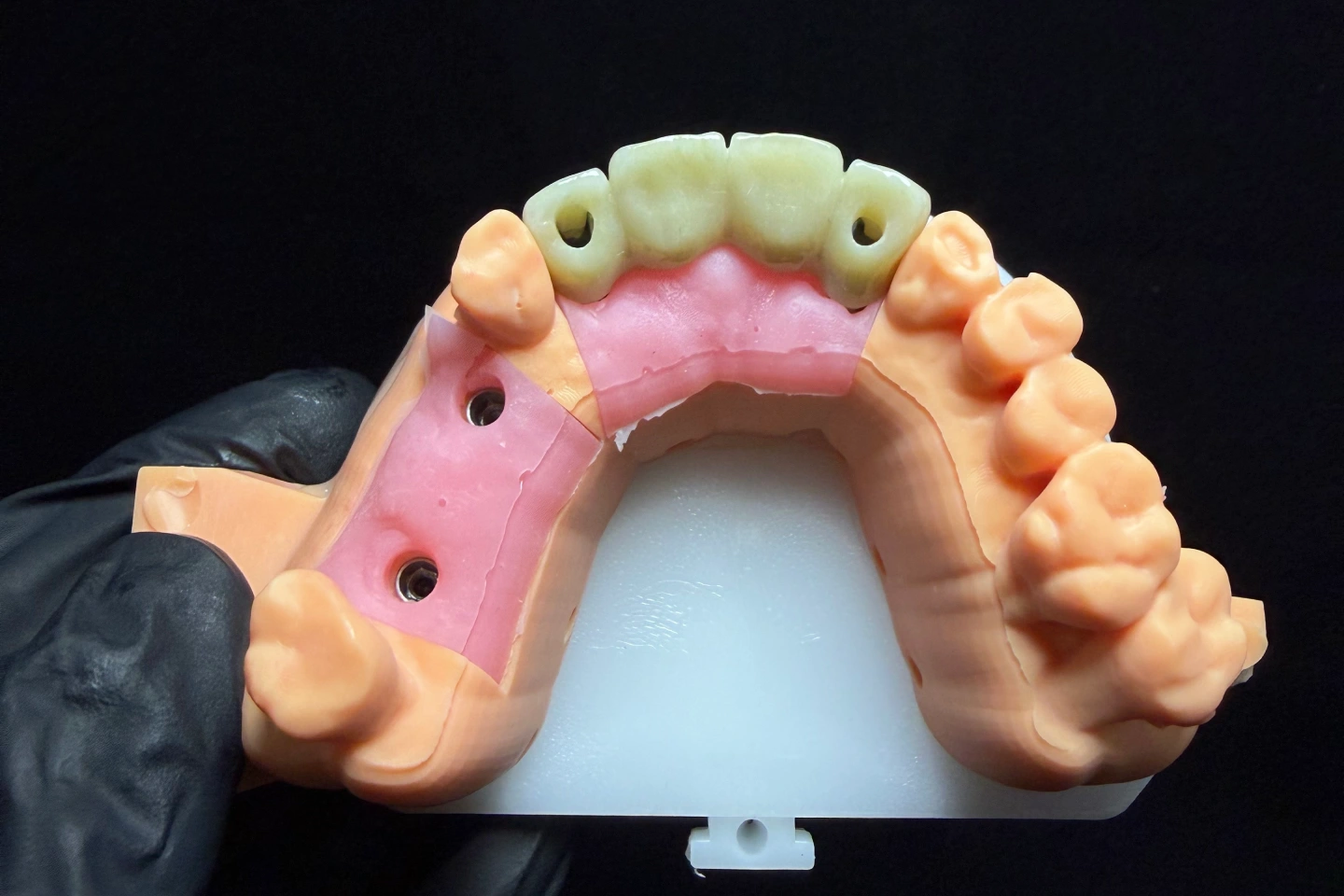
Materials we commonly use
Zirconia, Ti-base + zirconia
When to send it to us
Screw channel exits through a non-visible surface; retrievability wins
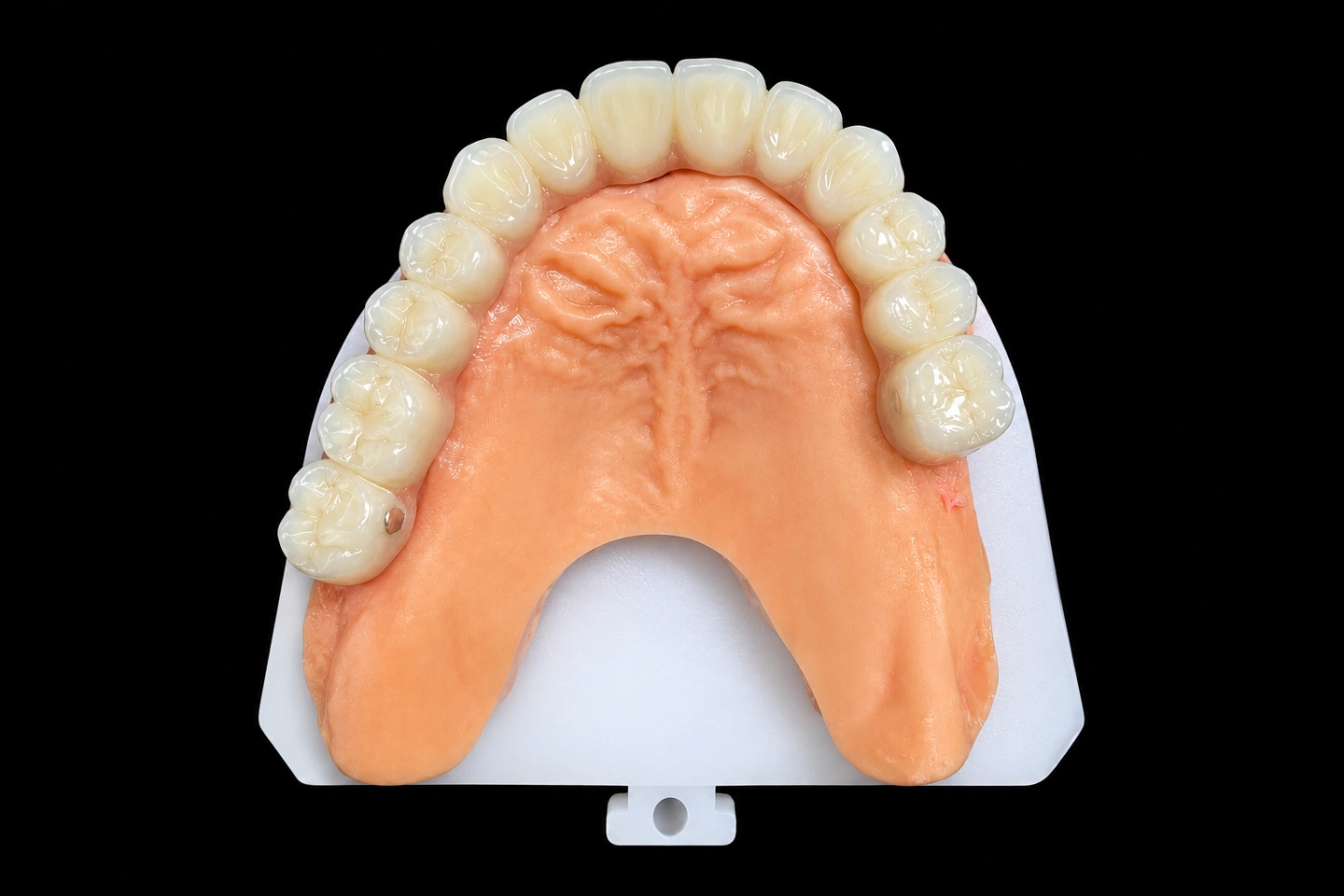
Materials we commonly use
Zirconia, PFM
When to send it to us
Steep implant angle makes a screw channel impossible to hide
Materials we commonly use
Milled PMMA
When to send it to us
Design confirmation, immediate loading, soft-tissue conditioning
In-lab days count time inside the facility. Courier transit is on top — plan 3–6 express days to the US and most EU destinations.
CAD design, 3D model printing, CAM milling, zirconia processing, porcelain layering, polishing, QC, packaging — all in-house in Shenzhen and Huizhou. When something goes sideways on your case, there's no "we'll check with our supplier." The designer who built it is three doors down from the technician who milled it.
The 80 people in our implant department work on nothing but implant restorations. Separate team for ceramics (70), separate for removables (55), separate for CAD design (100), separate for milling (70). Different lines, different workrooms, different leads. A full-arch zirconia case does not sit behind a stack of posterior PFM crowns in the same queue.
Zirconia single crown capacity scales from about 8,000 units a month in a normal season to around 15,000 units in peak. Bridges from 2,000 to 3,000. All-on-X from 20 to 40 arches. We hold roughly 50 trained backup technicians who come online when demand climbs — which is why December-through-February turnaround at Istar looks the same as July.
Account managers (around 40 of them, organized by region) are your routine contact. For cases that need design judgment — angulation calls on a custom abutment, framework material choice on a full-arch — we put you on a video call with the CAD lead or the implant department supervisor. Those conversations happen in English, same week, usually same day.
Every implant case gets checked three times before it ships: intake (scan, Rx, platform ID), in-process (CAD design, post-mill fit on the resin model), and final (interface, screw channel, passive seating, occlusion, part match). Different person signs each gate. Full-arch and complex esthetic cases get an extra technical-supervisor review. Final abutment screw torque follows the implant manufacturer's instructions for use — no exceptions, no house values.
Fly in and spend a day in Shenzhen or Huizhou. Walk the implant line. Audit the QC records. Ask the lead technician what percentage of her cases get flagged at in-process QC and watch her open the archive. If travel isn't practical, we schedule a video tour with the production lead — camera in the room, questions as they come.
The sequence from file receipt to shipment, with every touchpoint where you hear from us.
| Step | What's happening | When you hear from us |
|---|---|---|
| 1. Receipt | Case opened, number assigned | Same working day |
| 2. Intake check | Scan quality, platform identification, Rx completeness verified | Within 24 hours — only if something's missing |
| 3. CAD design | Designer builds the restoration in the matching library | When design is ready for your confirmation (optional step) |
| 4. Design confirmation | STL preview or 3D-printed try-in model sent for approval | We wait for your reply before the mill starts |
| 5. Manufacturing | Milling, layering or staining, finishing | On completion |
| 6. QC | Three-stage check | On QC pass |
| 7. Shipment | Courier booked, tracking issued | Same day as QC, tracking number in your inbox |
Design confirmation is on request for any case and standard for anterior crowns, custom abutments, and all full-arch frameworks. The final doesn't go to the mill until you say yes.
We read open STL and PLY from any mainstream scanner — 3Shape TRIOS (.3oxz and DCM native, STL / PLY export), Medit, iTero portal export, Dexis, Primescan, Panda, Shining 3D, CEREC after you export to STL / PLY. For anterior esthetic cases and implant bridges that need soft-tissue reference, send PLY (color data) along with the STL. We don't read encrypted iTero or private CEREC DXD / RST files — export them first.
Upload via WeTransfer, email, your scanner's cloud portal (3Shape Communicate, iTero MyAligntech, Medit Link, DS Core), or the Istar account portal.
VPS (addition silicone) is our first choice for cross-border impressions. Polyether works for complex implant cases but needs humidity control. For bite registration, use polyether or VPS bite tabs — wax deforms in transit and compresses on seating, and most occlusion errors on international cases trace back to that one choice.
We accept stone models, sectioned models with dies, implant models with analogs, and 3D-printed resin models.
For every case: implant brand, platform diameter (NP / SP / WP or mm), connection type (internal conical, external hex, internal tri-channel, Morse taper), and fixture diameter / length if different from the platform. The quickest way to send this is a photo of the implant packaging label.
Add material preference and shade, screw access location priority, soft-tissue emergence requirements, and any immediate-loading note. For full-arch and long-span cases, also send facebow transfer, functional bite records on a semi-adjustable articulator, and the clinical plan summary.
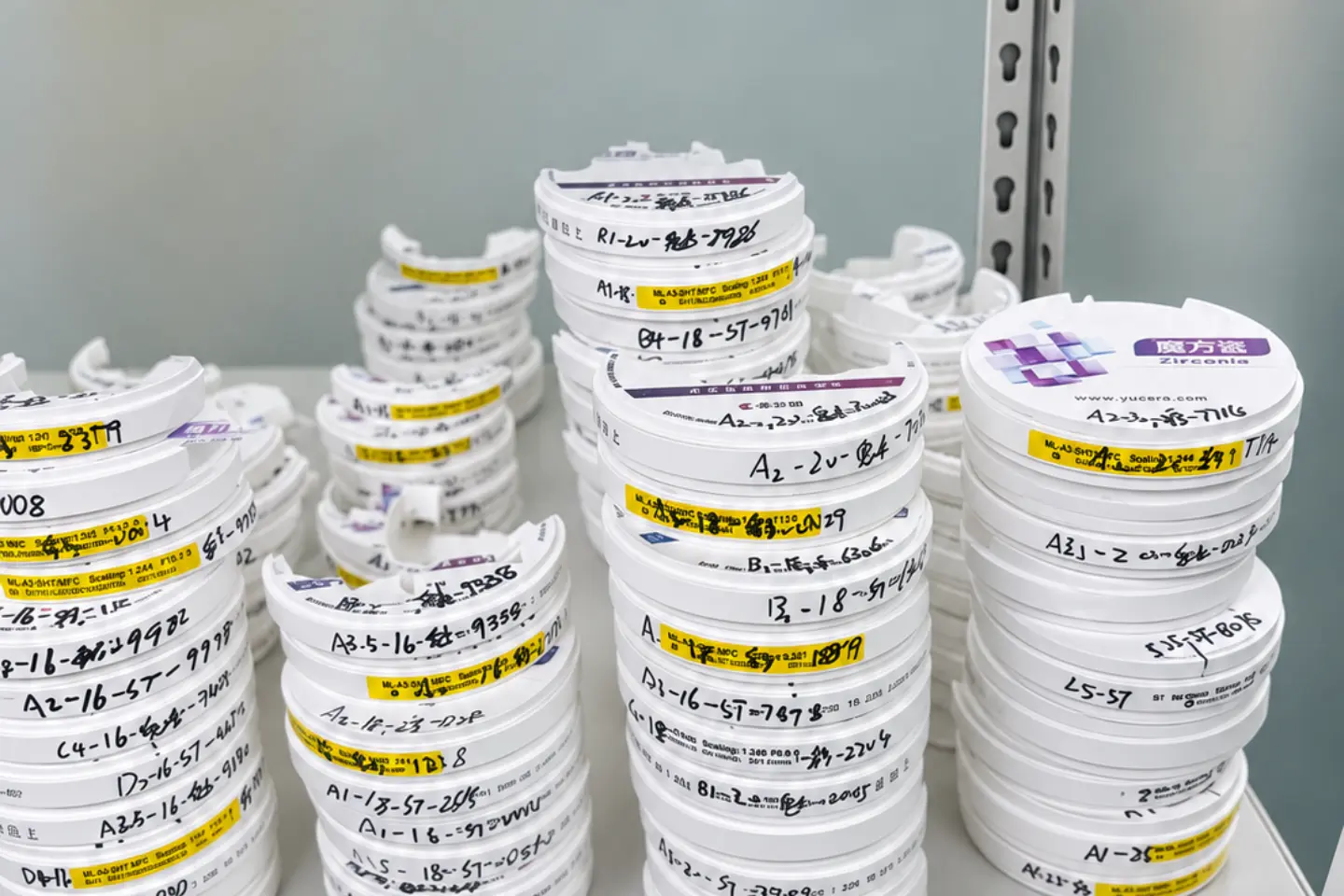
Everything else on a crown or bridge is forgiving. Passive fit on a full-arch isn't. A framework that doesn't seat under its own weight eats your appointment time or, worse, loads the implants in a way clinical literature keeps calling a long-term risk. Our rule is simple: every full-arch framework must seat on the master model under its own weight — no rocking, no springback, no force to engage. The fit result is recorded on the case file.
We don't quote a single micron tolerance. Historical literature cites three completely different thresholds — 10 µm (Brånemark, 1985), 30 µm (Klineberg & Murray, 1985), 150 µm (Jemt, 1991) — and a 2024 systematic review on verification jigs concludes no universally accepted clinical threshold exists. Our working reference is the implant manufacturer's platform tolerance plus the verification-jig evidence described by ITI and Perio-Implant Advisory. For full-arch cases with widely spaced implants or long cantilevers, we build a verification jig for intraoral try-in before the final framework is produced; short-span or well-scanned arches often don't need one.
When a framework doesn't seat passively, we work through three sources in order: first, the scan data and implant position records (scan stitching error, incomplete scan-body seating, wrong library — most non-passive issues trace back here, and the comparative-accuracy review on full-arch digital scans says the same); second, the model or verification jig (transfer error during model fabrication); third, framework manufacturing (milling or ceramic layering). This sequence usually resolves the root cause with one re-scan or one jig verification instead of a full redo.
For US clinics, we hold FDA facility registration and device listing for custom crowns, fixed bridges, inlays and onlays, veneers, custom implant abutments, implant-supported superstructures, full and partial dentures, and provisional restorations. Our quality system runs on the FDA Quality Management System Regulation (QMSR), which is what governs our complaint handling, traceability, and supplier controls.
For EU clinics, custom restorations enter under MDR Annex XIII — the custom-device route, exempting single-patient devices from the standard notified-body CE process. We issue a custom-device declaration per clinician prescription, and our EU authorized representative handles the EUDAMED notification.
Ask your account manager for the registration number, device listing, and the case file behind any job we've shipped for you: prescription, dated scans, versioned CAD file, material lot number, signed QC checklist, shipping documents.
Price is case-specific — material class, unit count, implant parts (OEM or compatible), design complexity, and urgency all shift the line. Each quote includes design, model, parts, standard packaging, and shipment. You get it in your inbox within one working day of the request. Monthly accounts open after onboarding with a standard 30-day term.
Rework we cover: design error, CAM deviation, QC miss. We re-make and re-ship. Rework we don't cover: OEM screws and abutments (manufacturer cost pass-through on replacement), Rx changes made after production starts, impressions we flagged as unclear that you asked us to proceed with anyway, color or material changes made after production. Spelled out on the account agreement so nobody is guessing at the invoice stage.
DHL, FedEx, UPS, and SPIDER (France) worldwide. Use your account or ours — our batch rate discount usually comes out lower on consolidated shipments. We're happy to consolidate several finished cases into one courier bag to shave the per-case freight.
Customs: shipments are declared accurately as dental castings or impressions, commercial invoice built on the order value. Import tax, duties, broker fees, and remote-area surcharges stay on the client side. Published courier transit windows don't include clearance or remote last-mile — we tell you the realistic door-to-door for your postal code when the quote goes out.
Packaging on implant cases is unforgiving by design: individual sealed bags with case labels, screws and small parts in a separate labeled bag, double-checked at pack-out by two staff members against the work order. If an implant screw doesn't arrive, that's a return trip for the patient — so we obsess about it.
Yes. For a digital case, email the files to the sales address and we'll run it through the same workflow. For a physical case, we can issue a prepaid courier label from your city, or you ship on your own account and send us the tracking number. First case runs on normal pricing, no setup fee.
Receipt confirmation the same working day. If the intake check finds a problem — missing platform ID, scan quality issue, bite record incomplete — your account manager contacts you within 24 hours with a photo or screen capture of what's wrong. If everything's complete, we go quiet and work. The next ping lands when the design is ready for your approval or when the case ships.
We flag the defect and send you a labeled screen capture of the exact area. If the defect is far from the restoration site and doesn't touch the preparation shoulder, subgingival margin, proximal contact, or occlusal key area, we can design around it and tell you we did. If it touches any of those four zones, we hold the case and wait for a corrected scan — the case stays at zero until you resend.
Yes, on a case-by-case basis. Rush slots are allocated per working day and depend on current load. Ask when you submit; your account manager confirms availability within an hour during our business hours (China Standard Time, GMT+8). Rush pricing is quoted on the line, not on top of the invoice.
Yes. Multi-clinic DSO accounts run with a parent billing entity and per-clinic case tagging. Invoices show clinic code, patient code, and your internal PO on every line. We also segment case libraries so Clinic A's custom abutment preferences don't follow Clinic B's cases.
Lost case: we file a courier claim and remake the restoration on our clock while the claim runs. For digital cases this takes one production cycle; for physical impression cases we need a new impression. Damaged case: send a photo on receipt, we remake. In both situations, your patient's appointment is the priority — we don't wait for the courier to pay before we start the second run.
Smallest: one single implant crown. We've opened accounts with a single-case first order. Largest: thousands of units a month. The 50+ labs that outsource to us run anywhere from 20 to 300 cases a month under their own brand. If your volume sits above our monthly peak-season capacity, your account manager works out a dedicated capacity reservation with the production lead.
Yes. Send your material library, your implant library, and your design parameter set (connector sizes, cutback preferences, contact tightness, intaglio relief). We mirror them for your account so the next 100 cases don't need a 15-minute preference call each.
That's the most common way new clinic accounts start with us. Your primary lab keeps the posterior PFMs; we take the implant restorations and full-arch work. You can scale the split up or down case by case — no exclusivity, no minimum.
Three ways in, matched to how ready you are.
Download the submission checklist. A one-page PDF listing every file and label needed per case type. Useful before your next implant appointment.
Send a case now. Email a scan or Rx with the platform details to your account manager, or upload through the case portal. Line-item quote within one working day.
Book a 30-minute call. For All-on-X planning, verification-jig workflows, or an unusual implant system, we'll have the CAD lead and the implant department supervisor on the video call. No sales script, just the clinical side of what you're about to send.
Email : [email protected]
WhatsApp : +8618925410015
Factory: Shenzhen and Huizhou, Guangdong, China
Response: same working day during business hours (GMT+8), within 24 hours otherwise
Want to get in touch directly? Reach out to our sales representative via WhatsApp at +8618925410015 for a quick response and a price quote!
 Dental Knowledge
12 min read
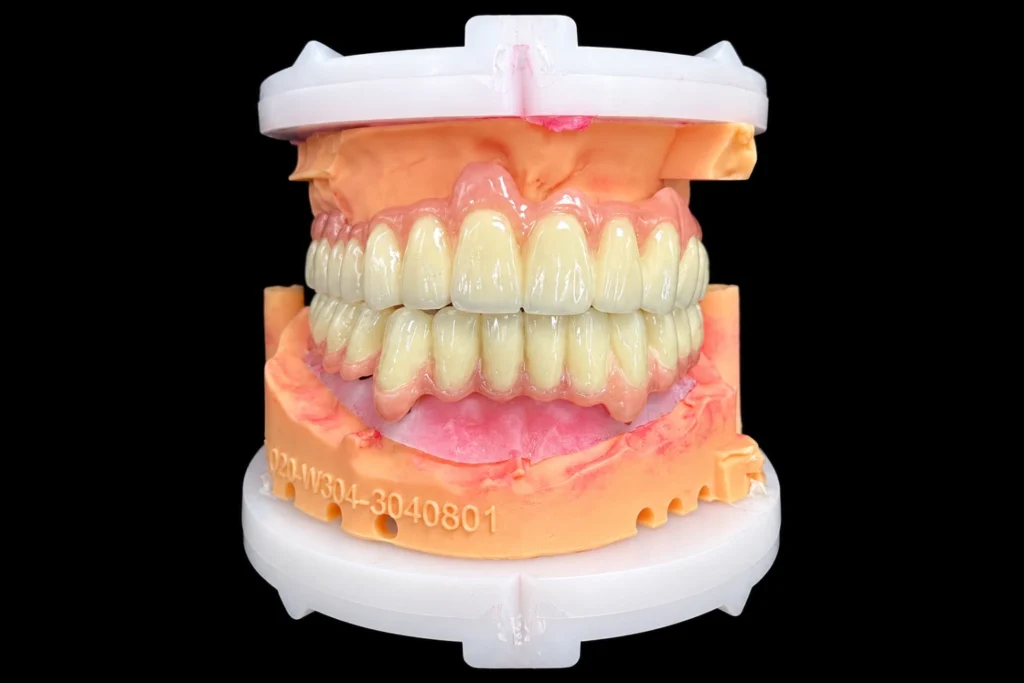
A real lower dentures remake case: how we rebuilt a loose, over-tall "permanent" set using a reduced VDO, a full lingual flange and a mandatory wax try-in.
Read Article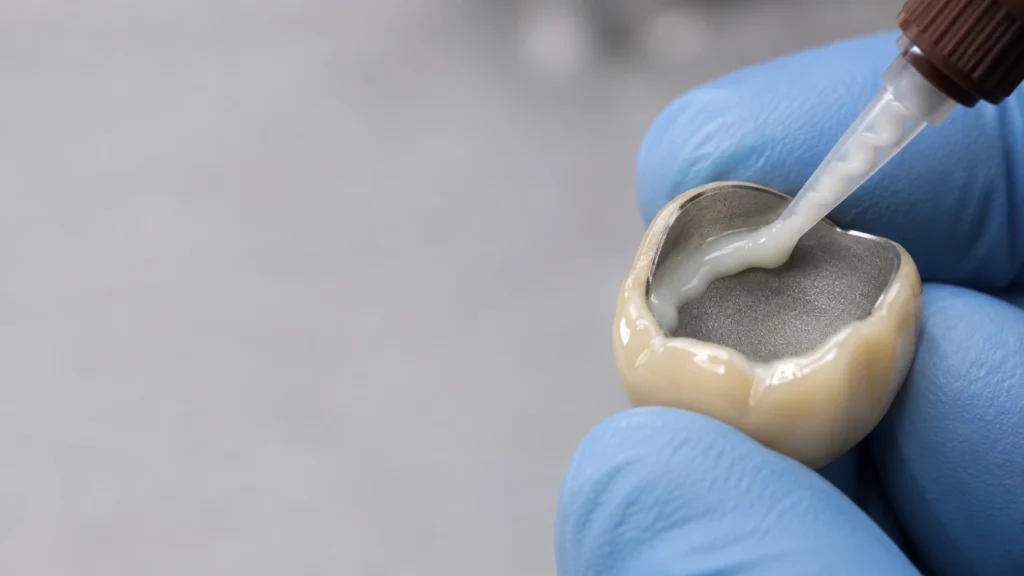 Dental Guide
17 min read
When cementing a porcelain-fused-to-metal (PFM) crown, most guides hand you a list of cement types and leave you to guess. But U.S. practice data shows only 13.8% of PFM crowns are resin-bonded—the…
Read Article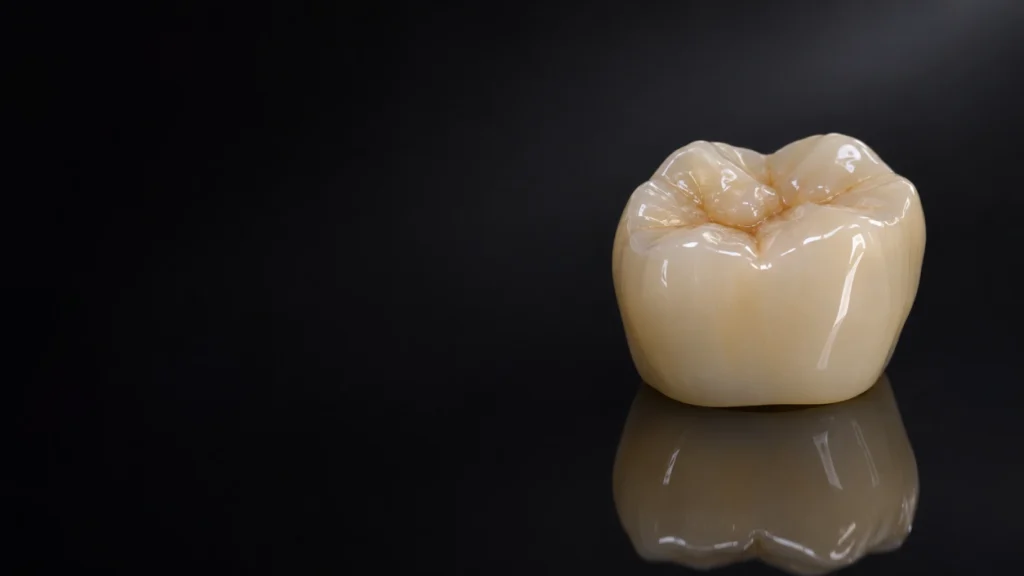 Dental Guide
11 min read
The practical questions around glazing zirconia crowns rarely come down to a single yes-or-no answer. A review of monolithic zirconia finishing notes that a standardized finishing protocol for this material has yet…
Read Article