
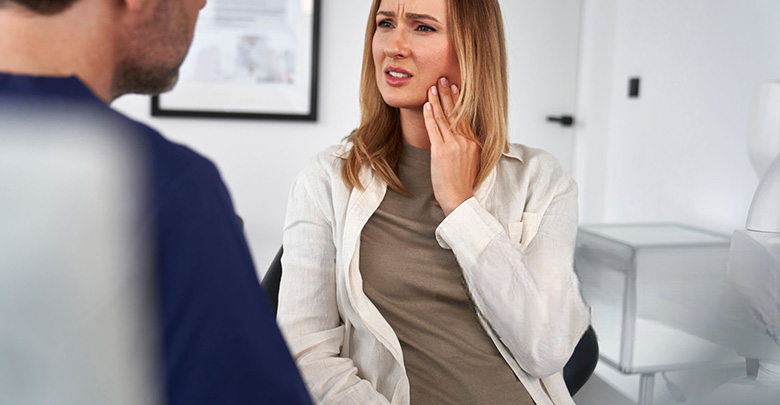
Have you noticed that your body will have unexpected reactions under pressure? You may unconsciously bite your chin, grind your teeth, or feel a sore jaw. Why do we unconsciously tighten our chins when we are stressed? How does this behavior affect our health?
Table of Contents
1. Common Symptoms of Bruxism
Because Bruxism often occurs during sleep, you don’t realize that you have this habit before obvious symptoms appear. Common symptoms of Bruxism include:
- Headache in the morning, especially pain around the temple
- Unexplained jaw pain, tightness or facial discomfort
- Increased tooth sensitivity, or mandibular muscle fatigue, pain
- The surface of the teeth becomes flat, cracked
- Pain or discomfort similar to ear pain (not caused by ear infection)
2. Types of bruxism
Bruxism is divided into two categories because of the different time of occurrence.
Awake Bruxism
It refers to clenching or grinding teeth during awake. You may unconsciously grind your teeth when under stress, anxiety, frustration, or intense concentration. Many people are unaware of this habit while going about daily activities.
Sleep Bruxism
Refers to clenching or grinding teeth during sleep. This type of bruxism is classified as a sleep-related movement disorder. Some people with sleep bruxism are also more likely to have other sleep-related issues, such as sleep apnea and snoring.
3. Causes: Primary vs. Secondary Bruxism
Primary Bruxism: It often occurs independently and isn’t caused by other diseases. It is usually related to psychological factors, such as daily stress, anxiety, and certain personality traits (such as the pursuit of perfection, strong competitiveness, or high energy).In addition, genetic factors are also very important. If parents suffer from bruxism, then the probability of their children developing the condition will be quite high.
Secondary Bruxism:It is opposite to the primary bruxism. It is triggered by underlying diseases, medications, or lifestyle habits. Common causes include psychiatric drugs (such as SSRI antidepressants), neurological disorders (such as Parkinson’s disease), gastroesophageal reflux disease (GERD), sleep apnea, and excessive intake of alcohol, caffeine, or nicotine.
4. Diagnosis and Tests
Your dentist will assess your symptoms and lifestyle habits, including the time and frequency of teeth grinding, as well as related signs (such as jaw pain, clicking sounds when opening the mouth, or tooth sensitivity). During the oral examination, the dentist will check for tooth wear, enamel damage, and any bite problems that may cause bruxism.
5. Treatment
If you want to treat bruxism, modern medicine has many methods. After a doctor’s diagnosis, they will choose the most suitable therapy for you.
- Custom Nightguards and Splints: The guard can provide a protective barrier inside the teeth, relieving the pressure on the lower jaw and reducing the impact of teeth grinding during sleep.
- Medications: Muscle relaxants help relieve jaw tension.However,please notice if the medication causes secondary bruxism, the prescription medication should be adjusted.
- Botox Injections: Botulinum toxin (Botox) injections may help reduce jaw muscle activity and ease bruxism-related symptoms.
- Biofeedback: By using electronic instruments to monitor muscle activity, you can determine whether you have a teeth-grinding habit and consciously change it.
- Addressing Underlying Conditions: This is often used to treat the underlying causes ,such as using CPAP therapy to treat sleep apnea,or treating GERD,which can significantly reduce secondary bruxism.
6. How to manage Bruxism?
Bruxism sounds like a troublesome condition. However, in daily life, if we can maintain some good habits and pay attention to some small details, it can also be improved.
- Try to take deep breaths and meditate. You will feel your whole body calm down, which can relax the jaw muscles.
- Avoid chewing gum or biting hard objects in the daily life, because these habits will increase the tension of your teeth muscles.
- Drink less coffee, alcohol, and don’t smoke as they will reduce your sleep quality.
- If you have time, it’s good chioce to enjoy a hot compress before going to bed,which will relieve the tension and discomfort of your muscles.
 English
  French
  Spanish
  German
  Italian
  Bulgarian
  Danish
  Korean
  Polish